Wednesday, February 24, 2016

Ten Ways to Encourage Creativity

10 Ways to Encourage Creativity in Children

As parents, many of us constantly search for new ways to inspire and encourage our children’s curiosity, creativity, and interest in the world around them, and help them grow up successful, innovative and productive members of our society.

Ways to boost creativity:

  1. Role Playing. “Mom, can you play with me?”Creative ChildrenHow often do we hear those words? And what kind of games do our kids want to play most? The most exciting and creative play is a role playing- making up new games, songs and stories, coming up with outfits, characters’ voices, taking turns, drawing new ideas, etc. Such games can go on for hours and even days, bonding us with our children tighter and creating a more satisfying relationship.
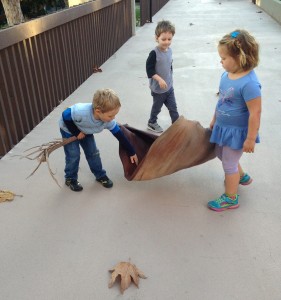
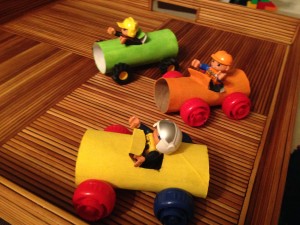
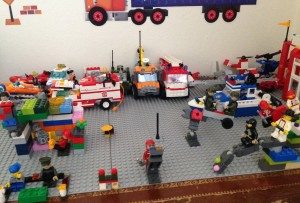
  2. Building Things. I didn’t have Legos as a child, but I recall building Child plays with legomany working cars (school buses, taxis, dump trucks) using a cartoon, round cups for wheels, pencils, and a toy motor. When I went to the 1st grade, I signed up to the class of the young technician and was fascinated with ways to produce elementary electricity. To date, and being a mom, I can fix minor electrical problems around the house and enjoy doing it.
  3. Telling Stories. All kids love telling stories. Writing those stories down, drawing scenes and characters, and publishing them online on the kid-friendly websites, make the projects fun, memorable and gift-appropriate.
  4. Sharing Photos. A number of internet-based image publishing companies help create the original projects about your recent trip, school event, or a holiday with ease and then even share and collaborate with friends and family.
  5. Learning to play an instrument. Growing up in the musically-inclined family of the engineers, Child plays pianoI began taking piano and voice lessons at age 5. Even though I did not like practicing scales as a young child, I vividly remember exciting daily activities with my childhood friend, during which we composed musical duets on the piano and then played them for our parents in four hands!
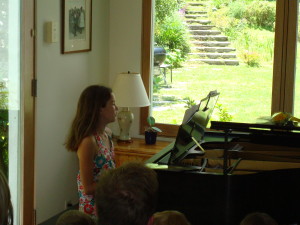
  6. Taking singing lessons. Running a music teaching business, I often tell parents how fun voice lessons are! Personally, I have never met a child who would not like singing. Having taking voice lessons and participating in a choir as a child, and then conducting a children’s choir as an adult, I have seen children transform during the lessons, forgetting the thoughts of daily troubles and diving into the world of music, beauty and dreams.
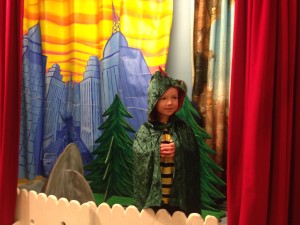
  7. Staging a Theatrical Show. When I was growing up, my parents’ friends’
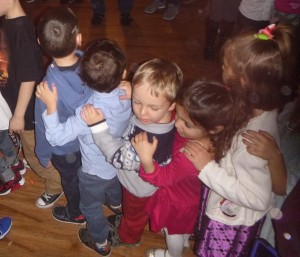
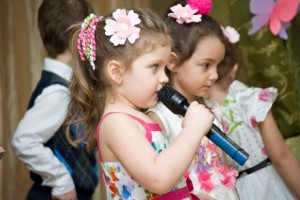
    Kids music performanceand our families were Toddler theatrical performance in Los Angelesmeeting weekly for cheerful sport, art or simple fun activities. One of those gatherings was the theatrical shows, which we were staging in someone’s living room and recording on the video. We created names for our shows, plots, actors, roles, and ridiculous and hilarious outfits. The shows were frequently interrupted by our laughter during each performance, and then there were even more laughter during video viewing times.
  8. Performing in a Music Show. Singing together,Music show making up songs and performing as a group is an incredible, relaxing and enjoyable activity for a whole family.
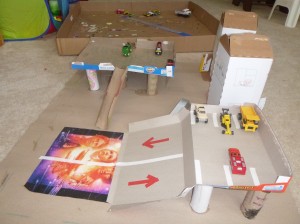
  9. Making Art. I love a local Costco wholesale store. Besides the items I enjoy buying there, this is the place where I pick up the very large cartoon papers art project- garage, train station, parking Art project with children- making carsand being thanked by the personnel for recycling them. Those huge cartoon papers along with the paints (from oil to water-based), brushes, stickers, cut-out stamps made of potatoes, bell peppers, and such unable my kids and I create roads, cities, holiday arts, music instruments (see some of our projects here: Music DIY for Kids) and great mood any time!
  10. Learning a new language. I feel joy watching many local children switching with ease between two or more languages. Being a bilingual parent, I learned two new languages as an adult and benefited from it not only by enjoying the process of learning and improving my memory, but also by freely using them in different companies, at work, and by reading some of the world literature in the original language.
About the author: Olesya MacNeil is the founder and CEO of Music Teacher LA – Los Angeles and South Bay’s provider of quality private Music Lessons for Ages 4-up and Piano Tuning Services.

Wednesday, February 17, 2016

What is the best age to start Piano Lessons for your child?

Best age to start piano lessons
Parents who enroll their children in music lessons early on inevitable provide a powerful boost for their youngsters’ overall development. A number of studies suggest that formal music lessons increase children’s brain growth and neurological processes. Early music education helps develop hand-eye coordination, improves language skills, teaches to use both left and right side of the brain simultaneously, develops discipline, patience and music appreciation, and instills confidence. Additionally, studies show that adults who played music instruments in their childhood processes the sound better, which in turn helps them to keep their hearing sharp in old age.
Piano is the best and easy first instrument to learn
1.     The child just needs to press the key to produce a sound
2.     The concept of positioning both hands on the keys is easily understood
3.     Kids who start taking piano lessons at age 4-5 naturally curve their fingers
4.     A comprehensive knowledge acquired in piano lessons can later be applied to any other instrument.

 So, what is the best age to begin taking piano lessons?

 My personal experience teaching private piano lessons since 1991, backed by the results of research both here and abroad, shows that children greatly benefit from starting formal piano training as early as age 4, when brain circuits for learning music mature. However, since every child is individual in his abilities and development, it is important to evaluate their emotional, mental and physical readiness before engaging them in piano lessons. Your parental readiness and support are also essential.

 Emotional Readiness

Los Angeles piano lessons
I long have noticed that it is easier to teach a 4-year old student to play the piano when he shows an interest in learning an instrument from the start. Those students concentrate on learning the material and look forward to studying a new song. Focus is an important part of learning process, as well as the ability to listen to the teacher and follow directions. The student who does not want to learn the piano, but gets enrolled into the lessons by his convinced parents will perform poorly, despite the entertaining and engaging music material and fun music games offered by the skilled piano teacher during lessons.

 Mental Readiness

To begin formal piano lessons, a student needs to have a basic understanding of the counting. Young children learn to number their fingers, 1 through 5 and position the correct finger number on the keys. Additionally, the kids learn to count music beats and rhythm.
Music is made up of notes and each note has a letter name. The young music students need to understand the alphabet concepts and know at least the letters of the music alphabet, A through G.


 Physical Readiness

Students should have a basic motor and hand-eye skills to coordinate the note reading with the key pressing.
Additionally, students will need to be able to move each finger independently in order to translate the note reading to the finger movements.

Parental Readiness

Parental support and willingness to help children develop a daily practice routine will help them to progress faster, take lessons more seriously, and stay motivated.

Music education at an early age is very important in children’s overall development. All of our music instructors are experienced working with very young children and keeping the lessons fun and engaging.


Olesya MacNeil has been a private piano teacher since 1991 and is the founder of Music Teacher LA, a provider of in-home and in-studio Music Lessons on all instruments for ages 4-adult and Piano Tuning services in L.A. and the South Bay. Learn more about their piano programs at http://MusicTeacherLA.com/Los-Angeles-Piano-Lessons/ or call (310) 220-0405.

Tuesday, August 25, 2015

Music Teacher LA BLOG - Enriching articles, educational gems, upcoming events in Los Angeles, and more.

Dear readers,


Dive into our Blog for enriching articles, educational gems, upcoming events, plus the freshest deals and promos. Your hub for all things musical at Music Teacher LA.   https://MusicTeacherLA.com/Blog

Read find articles such as:
- How to Raise a Musical Child

- When to Tune Your Piano

- 7 Things Every Parent Should Know About Music Lessons

- 5 Proven Ways to Motivate Your Child to Learn

- 6 Music Practice Tips

- Best Healthy Breakfast for Kids

...and more.


Share and Follow! Thank you.


Olesya MacNeil | President

Music Teacher LA | Established in 1991, Los Angeles' Leading Provider of Quality In-home Piano 🎹 Guitar🎸 Violin🎻 Drums🥁, and Singing🎤 Music Lessons for Children (Ages 4-Up) and Adults.
Student Hotline: (310) 220-0405

Monday, March 30, 2015

Music Teacher LA Newsletter- April 2015

Happy Passover and Happy Easter from MTLA!

Online registration for Summer Camp 2015 

is now open.


Dear students, parents and friends of MTLA!


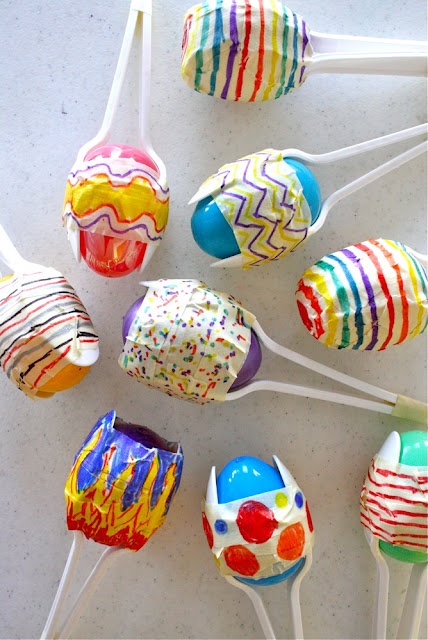
Easter craft
Egg Maracas
Passover and Easter are coming to town.


We are wishing you Happy Spring Holidays 2015!


Have you heard of the Egg Maracas? Try it now with your kids! (You will need plastic eggs, plastic spoons, dry beans, and a decorative tape).
At Music Teacher LA, we do fun music craft activities during our Summer Music Camps.


Passover Joke told by an MTLA student.
A 2-year old girl has been staying past midnight on the night of Passover.
When her grandma saw the girl still awake, she exclaimed:
- Why aren't you in bed? It's pass your bedtime.
The smart 2 year old replied:
- No, it's not pass the bedtime. It's Pass over!


Register for Summer Music Camp 2015

Music Teacher LA offers Montessori-inspired Summer Music Camp experiences in Marina del Rey for musically inclined students ages 4- 12.  Campers do not need special talents or skills, only a willingness to try. The program is a 1-10 weeks half and full day camp that commences in the middle of June and continues through the month of August.

Students living in San Fernando Valley and South Bay areas can participate in MTLA's Summer Music Camp while their parents receive a FREE parking in Marina offered during the hours of the camp, take a water ride to Fisherman's Village via Marina Water Bus ($1 each way), or enjoy local restaurants and beach.

Summer Music Camp with Music Teacher LA
​The Camp Program includes:
  • Playing and Making Instruments
  • Music Theory
  • Music History and Composers
  • Math and Music Logic Games
  • Improvisation and Beat Lab
  • Music movement
  • Singing and Dancing
  • Swimming in a Pool Once a Week
  • Water Play and Sound Exploration
  • Beach Fun Activities
  • Two Private Parks in a Secure Community
  • Music Crafts
  • Karaoke and More!
 Tuition 2015
Half day 9am-12:30pm   Daily fee: $65
Full day  9am-3pm           Daily fee: $80
A non-refundable supply fee of $15 per camper is required with registration.
Tuition Discounts
3 days per week                 $225 per week
4 days per week                 $270 per week
5 days per week                 $300 per week
Sibling Discount
Save $15 OFF for each sibling when 2 siblings enroll for 2 weeks or more, 5 days per week.
Extended Care
Reserve in advance along with camp registration. Children dropped off before 9am or picked up after 3:10pm will be charged. Before care (8-9am) and After Care (3-8pm) are available on Wednesdays and Fridays at $15 per hour.
Parking
Free parking is available during the hours of the camp for parents/guardians of the campers.
Reservations
Advance reservations required. You may register by phone at (310) 220-0405, or
by filling out the registration form at https://MusicTeacherLA.com/lessons-fees/summer-music-camp/


Wednesday, August 6, 2014

7 Things Every Parent Should Know About Music Lessons


by Olesya MacNeil

Why do children lose interest in music lessons within the first 6 months? After listening to parents tell me their stories of signing up their children with a music teacher or a music school only see their children’s loss of interest so soon, I wondered why?
In my extensive teaching and now, running my own music school, I saw only a few dropouts after 6 months of studying and two of those were due to parents’ divorce and change of address, and the third student was just not interested to begin play an instrument in the first place.
I began questioning the parents about their children’s lessons and found an astonishing difference.

Those music students who didn’t experience early drop-out were exposed to the following:

1. Teacher’s passion for teaching and creativity counts.
It becomes more and more popular all over the world to start teaching children music, math and reading young. The majority of new music students today are 3-5 year old. We must ask ourselves: how do 3, 4 and 5-year old learn? 3- and 4-year old children have expansive imagination and natural curiosity. Some children this age have pretend friends, love making silly faces, singing unintelligible songs and being funny. They learn best when they are active- dancing, moving, stomping feet, snapping fingers and clapping hands. 5-year olds have a natural desire to become independent and feel grown up. They are eager to learn at this age and their learning should be fun, inspiring and creative.
What resources do music teachers have enabling them to provide fun and interactive individual music lessons to very young children? There is not much material today to support instructors in their teaching process when working with very young kids. Teachers must encourage learning and stimulate children’s natural curiosity and enthusiasms for learning. Teachers must be creative in preparing their lessons plans and fill young children’s lessons with music-related activities that boost their imagination and creativity. Once a student falls in love with music, the child will be ready for the next, more advanced and difficult level of playing with both hands, and learning music theory and improvisation.

->> Continue Reading this article at https://MusicTeacherLA.com


#Follow us on Social Media. Thank you!